
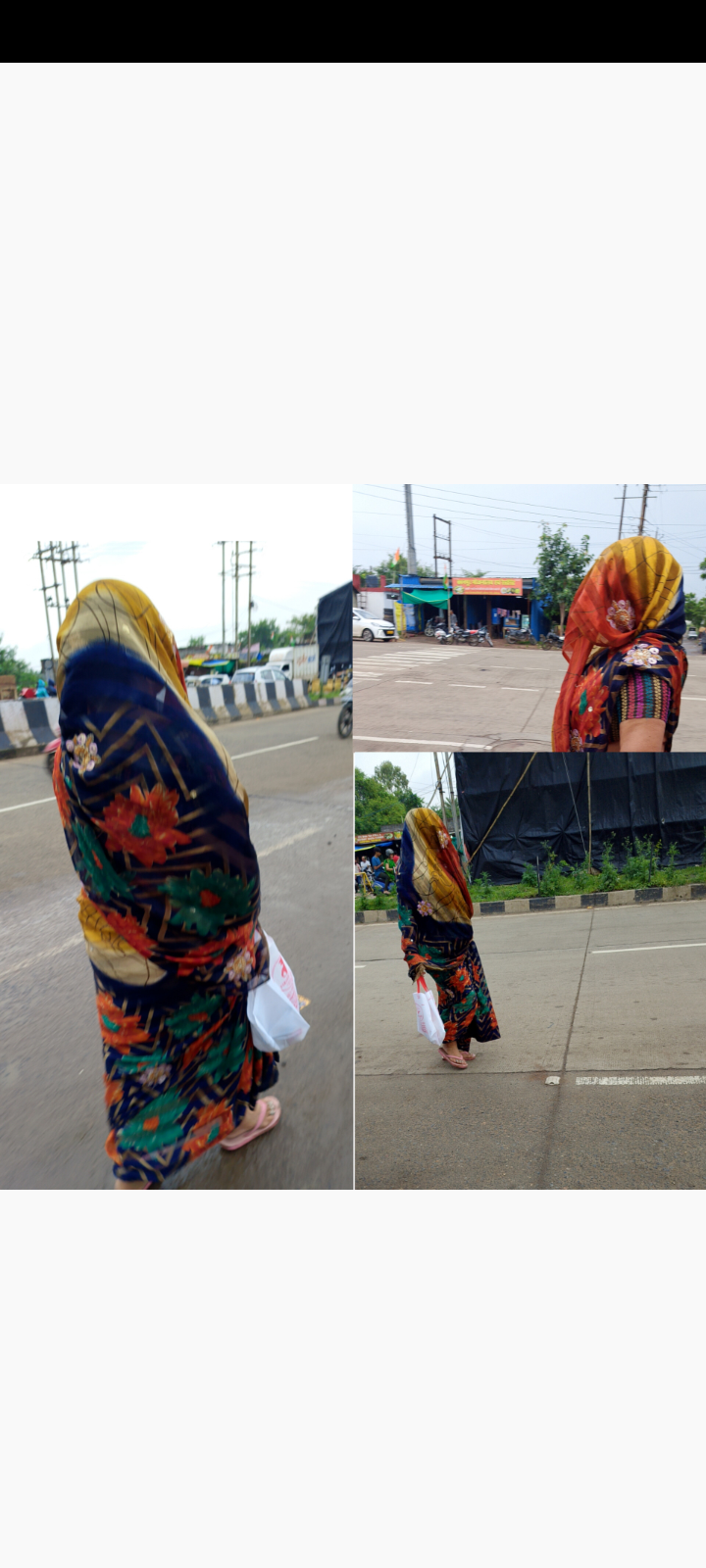
What Color Is the World?
What does the world look like to you? Perhaps you imagine it as vibrant, full of colors, greenery, dreams, and endless possibilities.
I once asked a man, “What color is the world?”
With excitement and joy, he replied, “The world is beautiful—colorful, lively, and full of life.” His face reflected hope and admiration for everything around him.
I asked the same question to a woman. She paused for a moment and softly replied, “I don’t know, because wherever I go, I remain behind a veil.”
Then, with a quiet sadness, she added, “For me, the world is the same color as my dupatta.” Her voice faded, and her eyes carried the weight of emotions she could not fully express.
When someone is forced to see the world through a veil, their experiences become limited by someone else’s beliefs. They may wish to lift it and look at the world freely, but traditions, expectations, and fear of judgment often stand in the way.
For generations, many societies have believed that a woman’s honor lies in covering herself, that she must remain hidden because she represents the family’s dignity. But does that mean she should lose the right to see the world with her own eyes?
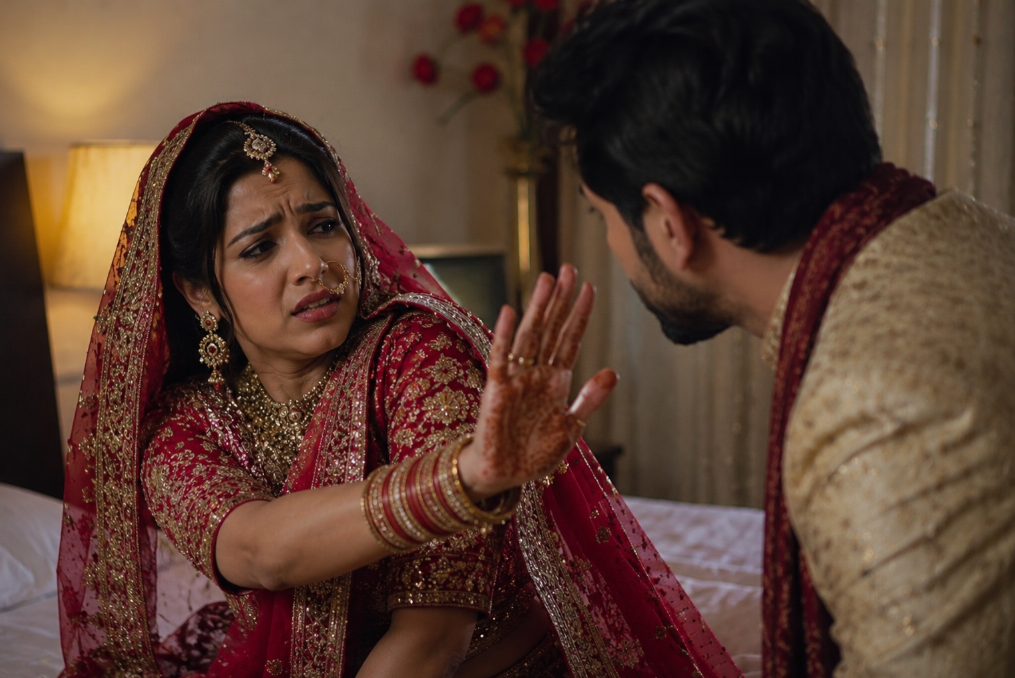
Every woman deserves the freedom to live according to her own choices. If we begin to see every daughter-in-law as someone’s daughter, sister, or mother, we may understand that respect does not come from a veil but from the way we treat one another.
Culture should inspire values, not impose restrictions. A woman is capable of deciding what dignity, respect, and identity mean for herself. True respect exists with or without a veil—it depends on mutual understanding, not on appearance.
She, too, has the right to witness the colorful world, to dream freely, and to live without unnecessary limitations.
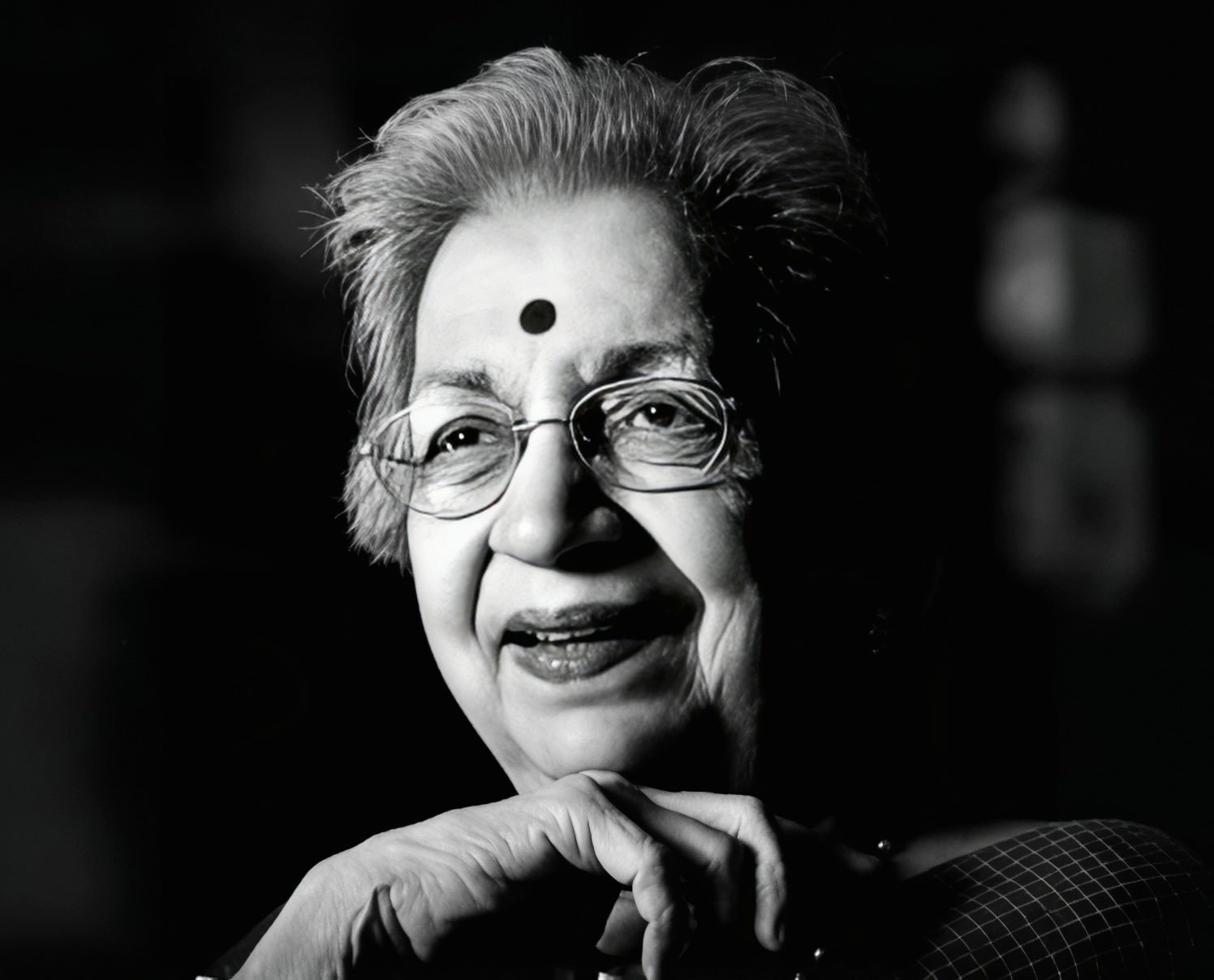
Perhaps if we looked at the world through a woman’s eyes, we would discover that it is even more beautiful than we ever imagined.
Comments (0)