
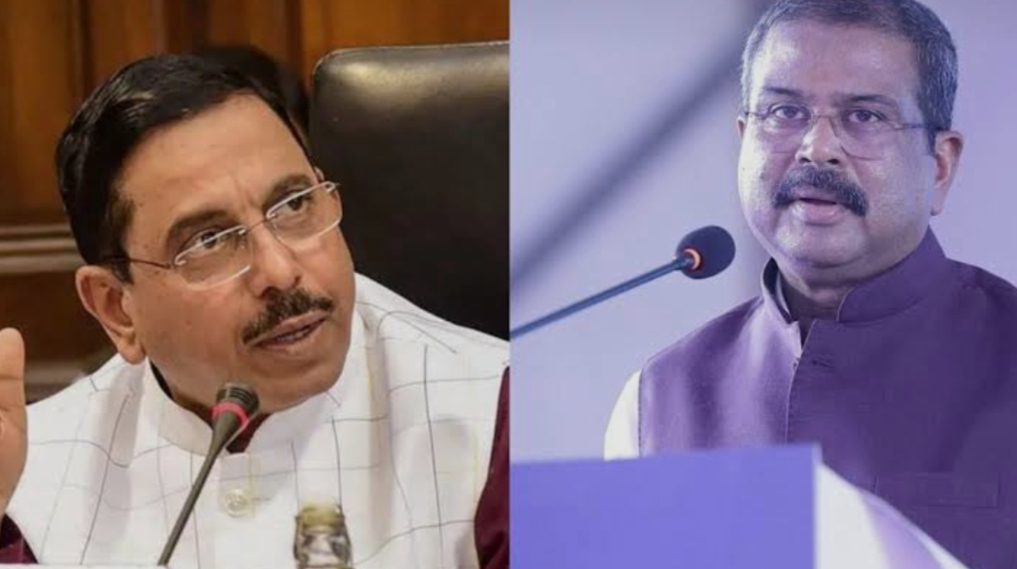
New Delhi: Amid the ongoing student protests and the NEET paper leak controversy, the Central Government has accepted the resignation of Union Education Minister Dharmendra Pradhan. The additional charge of the Ministry of Education has been handed over to Pralhad Joshi. Following the decision, the Collective Justice Platform (CJP), which has been leading the movement, described it as a major victory, claiming that its key demands had been accepted. However, the organization has now placed three new demands before the government.
Reacting to the resignation, CJP founder Abhijeet Deepke said this marks only the beginning of the movement's success. He stated, "The first wicket has fallen. Our fight will continue until meaningful reforms are introduced in the education system and justice is delivered to students." According to him, replacing a minister alone will not solve the problem; transparency and accountability must be ensured throughout the examination system.
After the resignation, CJP released an updated list of demands. The organization called for a fair and impartial investigation into the alleged irregularities surrounding the NEET paper leak, strict action against those responsible, and comprehensive reforms to the examination system to prevent such incidents in the future. It also urged the government to establish a permanent mechanism to safeguard students' interests.
Reacting to the development, Aam Aadmi Party National Convenor Arvind Kejriwal said it was a significant victory for democracy. He remarked that the peaceful movement had succeeded in making students' voices heard and expressed hope that the government would now take concrete steps to improve the education system.
Dharmendra Pradhan's resignation is being viewed as one of the most significant political developments linked to the recent student movement. For several days, students and youth across the country have been protesting, demanding greater transparency, accountability, and reforms in the examination system. Protest groups claim that the government's decision is the result of sustained public pressure and the continued movement.
Attention is now focused on the Central Government's next course of action. As Pralhad Joshi takes charge of the Education Ministry, restoring confidence in the examination system, addressing students' concerns, and responding to the pending demands will be among his biggest challenges. Meanwhile, CJP has indicated that if its new demands are not addressed positively, the movement will continue.

Comments (0)