
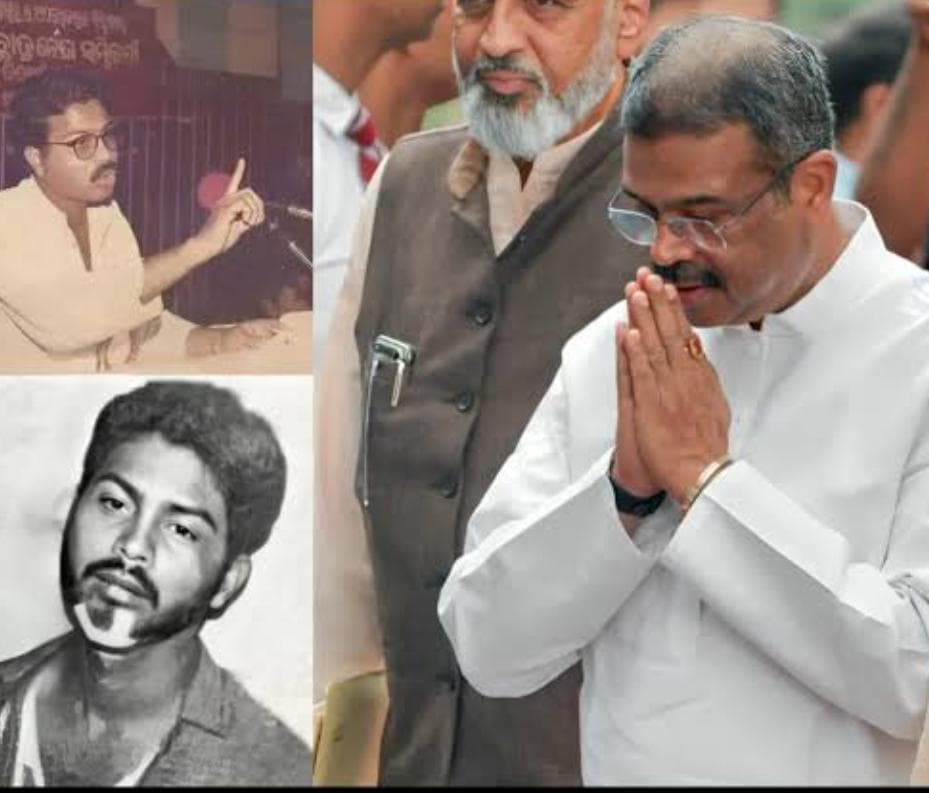
1997 Student Protest Leader, 2026 Education Minister Under Fire: What Has Changed?
Public anger over the examination system and the alleged paper leak controversy continues to grow across the country. Students protesting at Jantar Mantar for several days are demanding the resignation of Union Education Minister Dharmendra Pradhan, greater transparency in the examination system, and strict action against those responsible. Allegations of police action, baton charges, and the use of tear gas during the protest have turned the movement into a subject of national debate.
Amid the ongoing protests, an incident from 1997 has once again come into the spotlight. According to publicly available reports, Dharmendra Pradhan was then serving as the National Secretary of the Akhil Bharatiya Vidyarthi Parishad (ABVP) and was leading a student protest in Odisha against an alleged paper leak. Reports from that period also state that he was injured during a police baton charge. At the time, the movement was widely seen as a fight for transparency in the examination system and against corruption.
Nearly three decades later, the situation has changed. Dharmendra Pradhan is now India's Union Education Minister, while students are once again on the streets over examination-related controversies. This has triggered a growing debate on social media and among student organisations and opposition leaders. They are asking: If protesting against a paper leak was considered a legitimate democratic right in 1997, why are students demanding similar accountability today facing police action? Has the approach towards student protests changed after coming to power?
The protesting students allege that instead of listening to their concerns, force was used against them. They claim that baton charges and tear gas created an atmosphere of fear among students. On the other hand, the administration maintains that maintaining law and order is its responsibility and that the action was taken for that purpose.
The issue has now gone beyond a dispute over a single examination. It has evolved into a wider national debate on democratic dissent, students' rights, transparency in the examination system, and government accountability. While the government says reforms are underway and law and order must be maintained, protesting students continue to ask where they should turn if they believe their voices are not being heard.
Political reactions continue, and judicial as well as administrative processes related to various aspects of the matter are ongoing. Therefore, any final conclusions will depend on the outcome of the relevant investigations and judicial proceedings.

Comments (0)