
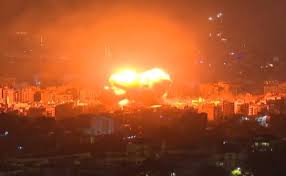
🔴 Roots of the Conflict
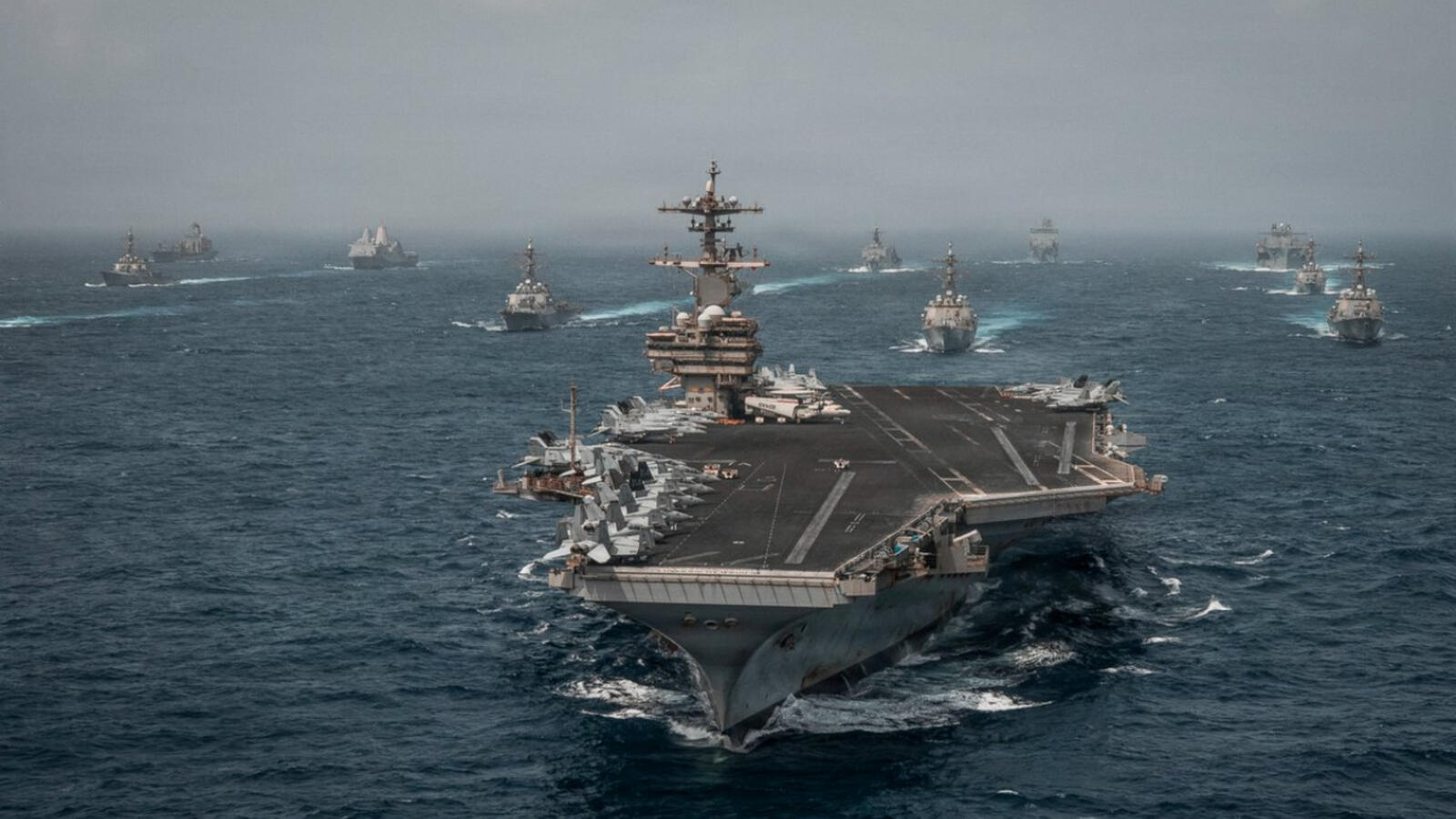
On 28 February 2026, joint military action by the United States and Israel against key Iranian military and strategic sites — a campaign reportedly named Operation Lion’s Roar by Israeli officials — marked a significant intensification in decades-long tensions over Iran’s nuclear ambitions and proxy activities.
In response, Iran launched a wide range of missile and drone strikes not only toward Israel but also across the Gulf region, targeting U.S. bases, allied military installations, and infrastructure in Gulf states as part of its declared retaliation.
🇮🇷 Iranian Retaliation and Regional Spread
Iran’s counter-strikes have reached multiple countries across the Middle East, including strikes near Israel, Kuwait, Qatar, Bahrain, and the UAE. Explosions were reported in Dubai and Doha as part of ongoing Iranian offensive actions.
The conflict has also affected Lebanon and Hezbollah-linked areas after Iran’s allies launched attacks on Israeli positions in retaliation for strikes tied to Tehran.
🇦🇪 Dubai and the UAE: Emerging Flashpoint
For the first time in recent memory, Dubai — a major global tourism and trade hub — experienced explosions and air defence alerts linked to the middle-east conflict.
According to international reports:
Explosions were heard in parts of Dubai, and defence systems in the UAE and neighbouring states intercepted drones and missiles fired in the Iranian retaliation campaign.
The conflict led to suspension of flights at Dubai’s airports for safety reasons, disrupting global air traffic and stranding passengers.
Nearby Jebel Ali Port, one of the region’s largest commercial hubs, briefly halted operations after debris-induced fires, underlining how the war is spilling over into vital civilian infrastructure.
✈️ Transportation and Civilian Impact
The ongoing hostilities have severely disrupted Middle Eastern airspace:
Major airline carriers, including Emirates and Qatar Airways, extended flight suspensions as countries closed airspace amid the military escalation.
Flights across Gulf hubs, including Dubai and Abu Dhabi, were cancelled or rerouted due to safety advisories, impacting hundreds of thousands of travellers worldwide.
📌 Global and Regional Reactions
The conflict has left governments and international bodies scrambling:
Gulf monarchies, including the UAE, have condemned retaliatory strikes that hit civilian areas as violations of sovereignty and international law.
The situation presents a diplomatic dilemma for regional partners as they balance security cooperation with the U.S. and Israel against the risk of direct conflict with Iran.
📊 Broader Implications
The spillover of the Iran–Israel conflict into Gulf states like the UAE highlights how quickly localized military confrontations can affect global trade, aviation, and geopolitical stability:
Airspace closures in the Middle East reverberate across global flight networks.
Attacks near commercial and strategic hubs like Dubai underline the heightened risks facing previously stable economies.
📌 In Summary
The Iran–Israel war, intensified by recent joint U.S.–Israeli strikes, has rapidly expanded into a broader regional crisis. Retaliatory Iranian missile and drone attacks have reached beyond traditional battlegrounds into Gulf cities like Dubai, affecting transport systems, international travel, and regional political calculations. With diplomatic pressure mounting, the next several days will be pivotal for Middle Eastern stability and international responses.

Comments (0)