
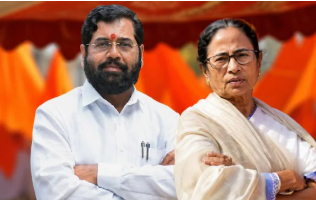
Political realignments and defections have once again become a major topic in Indian politics. The recent move of six Shiv Sena (UBT) MPs joining the Eknath Shinde faction, along with changing political positions within several opposition parties, has intensified the debate over the NDA’s growing influence.
The developments in Maharashtra have dealt a significant setback to the Uddhav Thackeray-led Shiv Sena (UBT). With six MPs shifting to the Shinde camp, political observers believe the balance of power in Parliament could be affected.
Opposition parties argue that these defections are not merely political decisions but are influenced by the advantages and pressures associated with the ruling establishment. The NDA, however, rejects these allegations, maintaining that leaders are joining the alliance because of its focus on development, governance, and political stability.
At the same time, internal developments within the Trinamool Congress (TMC) and differing positions taken by some opposition leaders on key parliamentary issues have raised fresh questions about the unity of the INDIA alliance.
Political analysts believe that continued divisions within the opposition could strengthen the NDA's electoral position. On the other hand, opposition leaders argue that a weakened opposition is a matter of concern for democratic balance rather than a political victory for any one party.
As political developments continue to unfold, the coming months will reveal whether these shifts are viewed as a sign of the NDA’s growing acceptance or as a result of the influence that accompanies political power.

Comments (0)