
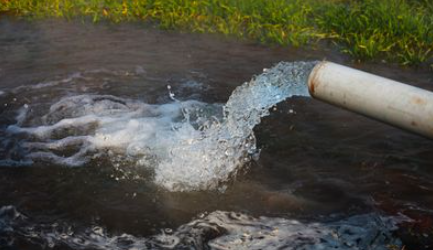
Groundwater Levels Continue to Decline Across India
India is facing a growing groundwater crisis as rapid urbanization, industrial expansion, and increasing water demand continue to deplete underground water reserves. Recent studies and government assessments indicate that nine states are experiencing severe groundwater stress, with Punjab, Rajasthan, and Haryana among the hardest hit.
Experts say excessive groundwater extraction for agriculture, industries, and domestic use has become the primary reason behind the decline. In many regions, groundwater is being withdrawn much faster than it can naturally recharge, leading to a continuous fall in water levels.
Punjab remains one of the most critical regions. According to assessments by the Central Ground Water Board (CGWB), the state's groundwater extraction rate is significantly higher than the national average. Rajasthan and Haryana are also witnessing increasing pressure on their water resources.
Studies further suggest that rapid urban growth, industrial activities, and population expansion are worsening the situation. The Punjab-Haryana region has reportedly lost billions of cubic metres of groundwater over the past two decades.
Experts warn that without effective measures such as rainwater harvesting, water conservation, crop diversification, and sustainable groundwater management, many parts of the country could face severe drinking water and irrigation shortages in the coming years.


Comments (0)